I. Product Positioning and Core Value
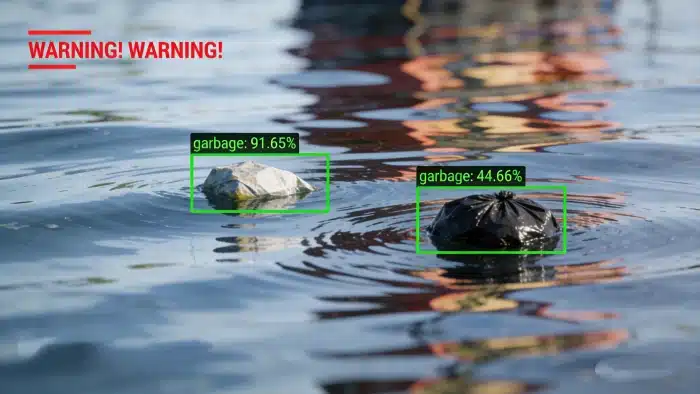
This solution is a customized floating object recognition system developed based on artificial intelligence visual analysis technology, with its core positioning as an intelligent perception tool in the field of water environment monitoring. Through real-time visual analysis of water scenarios such as rivers and lakes using deep learning algorithms, it automatically identifies various floating pollutants, providing accurate data support and early warning services for river regulation and water quality protection. It helps water conservancy, environmental protection and other departments achieve "early detection and early disposal" of pollution control, and improves the intelligence and refinement level of water environment management.
II. Core Technical Principles
The solution takes deep learning and neural network technology as the core, constructing an exclusive visual analysis algorithm model:
- Data Training: The algorithm is trained based on a large number of water scene samples (covering the characteristics of floating objects under different lighting, weather and water flow conditions) to optimize the model's adaptability to complex environments;
- Real-time Collection: Real-time images/video streams of the target water area are collected through high-definition cameras, supporting image access from fixed points (such as monitoring stations and drainage outlets) and mobile devices;
- Intelligent Analysis: The algorithm automatically preprocesses images (denoising, enhancement), accurately extracts features such as shape, color and texture of floating objects, and matches them with the training model for recognition;
- Result Output: Quickly outputs recognition results (including the type, location, quantity and other information of floating objects), synchronously completes image storage and data upload, and supports subsequent disposal decisions.
III. Core Recognition Capabilities
The system can accurately identify various typical floating objects and pollutants in water areas, with the core recognition scope including:
- Solid Waste: White plastic waste, plastic bottles, foam, packaging bags, paper scraps, branches, waste debris, etc.;
- Aquatic Plants: Algae, duckweed, water hyacinth and other aquatic floating plants (capable of distinguishing normal aquatic vegetation from excessively propagated polluting plants);
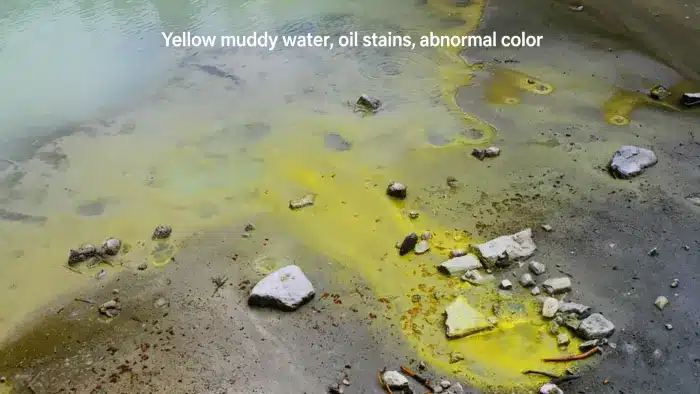
- Other Pollutants: Floating oil stains, unknown floating debris, etc. (supporting the expansion of recognition categories according to customer needs).
IV. Typical Application Scenarios
The solution has strong scene adaptability and can be customized and deployed according to different monitoring needs. The core application scenarios include:
- River Monitoring: Suitable for urban inland rivers, main rivers, tributaries and other water areas, real-time monitoring the distribution and change trend of floating objects on the river surface;
- Lake Monitoring: Covering urban landscape lakes, reservoirs, drinking water source lakes, etc., focusing on preventing garbage pollution and aquatic plant overgrowth;
- Drainage Outlet Monitoring: Targeting key nodes such as industrial drainage outlets, municipal sewage discharge outlets and rainwater discharge outlets, monitoring for illegal discharge of pollutants and floating with the current;
- Professional Institution Application: Providing water source and water conveyance channel monitoring services for water companies and water supply plants to ensure water supply safety; providing basin pollution monitoring data for water conservancy bureaus and environmental protection bureaus to support environmental supervision and governance assessment.
V. Customized Application Case
Project Background
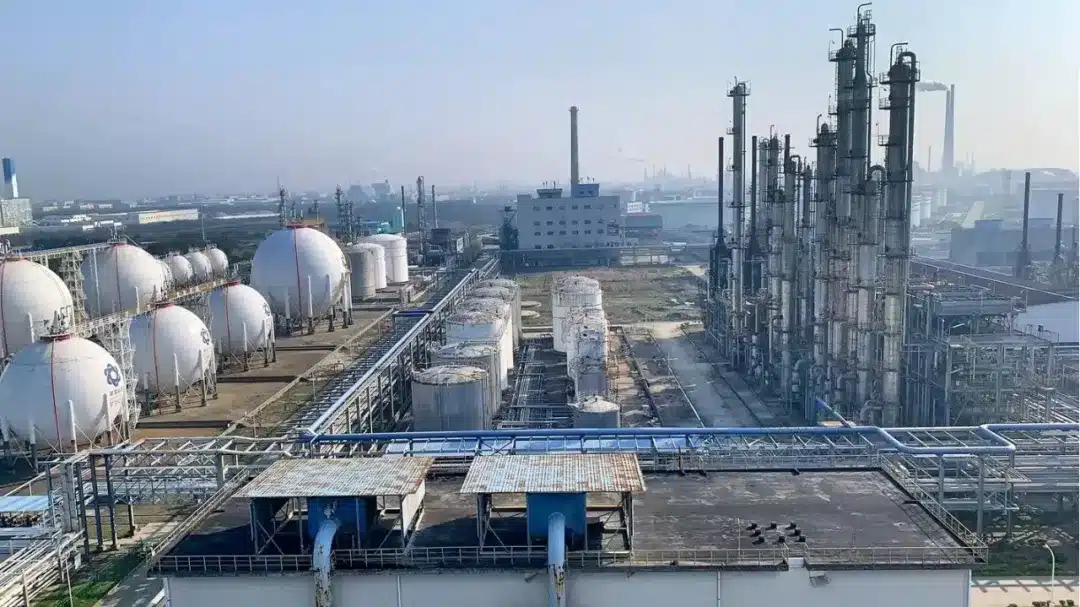
A thermal power plant needed multi-dimensional intelligent monitoring of the supporting water areas and key equipment areas in the plant. The core needs included three customized recognition tasks: first, recognition of floating objects in the plant's rivers and image upload; second, recognition of abnormal pressure gauge readings (including reference line calibration) and image upload; third, recognition of abnormal states of electrical cabinet pressure plates (including reference line indexing), image storage and upload. The customer independently developed the core algorithm, and we were responsible for providing full-process technical support for front-end recognition adaptation, image collection and transmission, and storage in the last item.
Solutions
In response to the customer's customized needs, we provided an integrated technical solution of "front-end perception + data transmission + storage adaptation":
- Deployed high-definition industrial cameras, optimizing installation angles and parameters for different recognition scenarios (such as wide-angle lenses for river areas and close-up lenses for equipment areas);
- Developed an exclusive data transmission module to realize real-time upload of front-end images to the customer's algorithm platform, ensuring a transmission delay of ≤ 0.5 seconds;
- Built a local image storage system, optimized the storage strategy for the electrical cabinet pressure plate recognition scenario, and supported quick retrieval by time, equipment number and other dimensions;
- Adapted to the customer's algorithm interface, completed technical docking such as recognition trigger logic and reference line/index calibration, ensuring efficient collaboration of multi-scenario recognition tasks.
Project Value
After the successful implementation of the project, it realized the synchronous intelligent monitoring of water pollution and equipment abnormalities in the thermal power plant, greatly reducing manual inspection costs and improving the efficiency of abnormal problem discovery. It fully verified our core capabilities in customization and technical adaptability of AI visual recognition scenarios.