

Wtau-technology Dry goods Classroom|Compiled from Professional Knowledge Training Materials Application
Let's start with the conclusion: the selection actually only captures two things——See the structure of the crane clearly,Figure out how to install the sensor。 The rest is a set of processes.
Analysis: The lifting weight limiter only measures the weight; the torque limiter measures the angle + weight; the comprehensive monitor measures the height + weight.
⚠The two most easily overlooked points: ① As long as the boom can change the angle/amplitude, you must install a lengthimeter (or lengthimeter) and ask the customer for it.Working curve table; ②The most difficult to determine is oftenSensor model, First figure out how to install the sensor, and then judge it based on the structure of the crane.
| Crane type | Instrument type | Commonly used models | Weight sensor | Key reminder |
| Electric hoist | Lifting weight | Handle WTZ-A(50); cab WTZ-A above 100 | With fixed rope PY; without fixed rope ZX | PY wants to ask about the diameter of the wire rope |
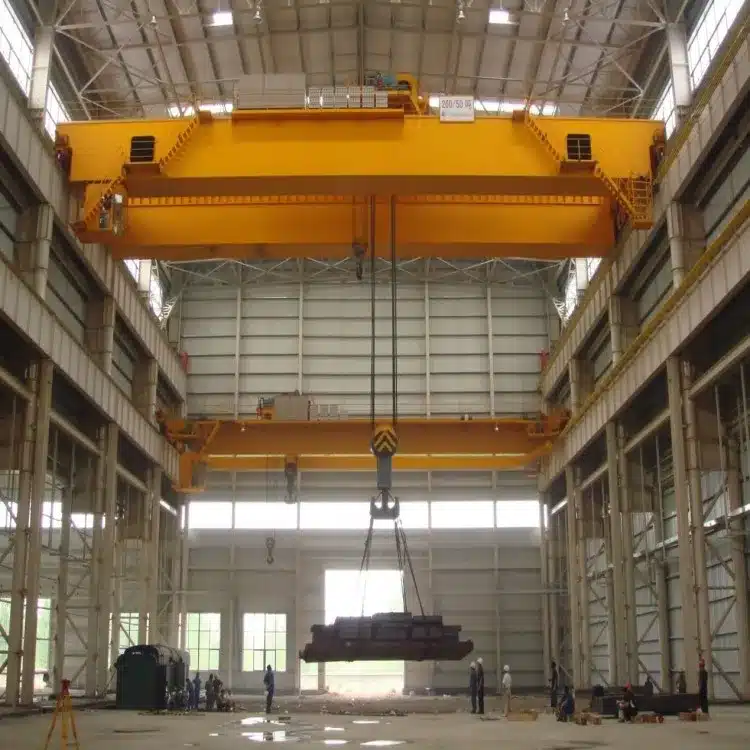
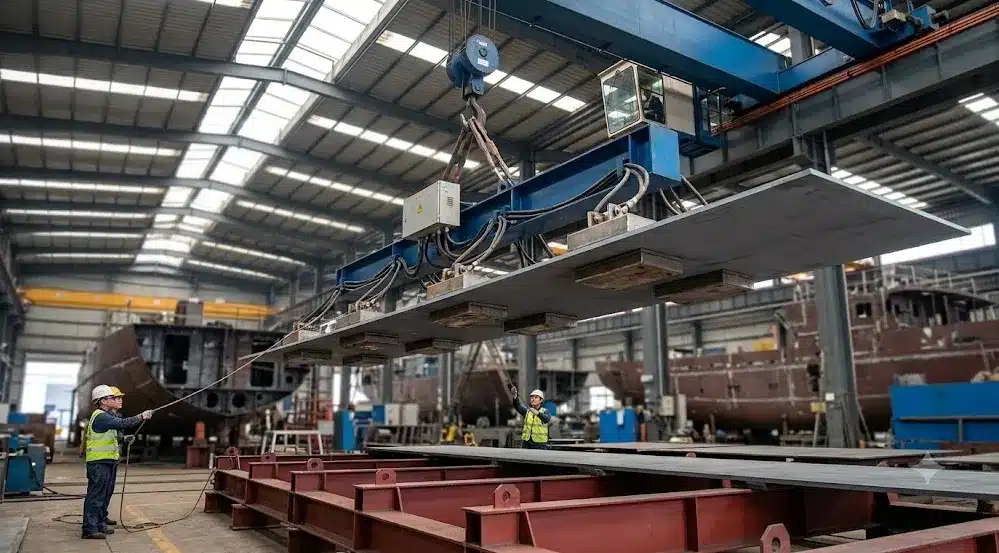
| Bridge crane | Lifting weight | Single hook WTZ-A (100); main + secondary hook WTZ-A (200) | PY / BH / QCX / ZX | The difficulty lies in the selection of sensors |
| Gantry crane | Lifting weight | Single hook WTZ-A (100); main + secondary hook WTZ-A (200) | PY / BH / QCX / ZX | Anemometer and altimeter can be added |
| Bridge building machine | Lifting weight | WTZ-A(200)/(230)/(240)/(300) | PY / BH / QCX / ZX | The question list point shows the total weight and the number of hoists/hooks. |
| Optical Signal Reflection and Acquisition: | torque | 2 mechanism WTL-A (200) or more; >4 sensor WTL-A (300) or more | PY / BH / JZ / ZX | Compulsory degree meter + curve table |
| Quadruple pole crane | torque | WTL-A (200) and above | JZ / ZX / SHL | Two working conditions of grab/hook; the range is based on the maximum lifting weight +magnification |
| Car crane | torque | WTL-A (200) or more (weight + angle + arm length) | SHL | Pay attention to the angle/length gauge, left-mounted and right-mounted direction+curve table |
| Crawler crane | torque | WTL-A (200) and above | SHL / BH / PY (mainly SHL) | Compulsory degree meter + curve table |
| Tower crane | torque | All torque limiters are available | ZX / SHL / PY | First divide the trolley luffing type / boom type and then set the luffing method |
| Dam top door machine | Synthesis/threading | WTM full range; WTM-E for piercing | LF / QCX / ZX | Install encoder + weight sensor; ask for communication and control signals |
| Gate opener | comprehensive | WTM full range | LF / QCX / ZX | Install encoder + weight sensor; ask for communication and control signals |
Note: The A (100), A (200), and A (300) in the model mainly correspond to the number of sensors/mechanisms and the number of display channels, and ultimately the actual needs of customers and the mechanical structure shall prevail.
To analyze a crane, the essence is to ”look at the structure, look at the installation, and set five steps." The structure determines the type of instrument, the number of mechanisms determines the model, the installation method determines the sensor, and the rated weight divided by the magnification determines the range. After eating through the company's products, the judgment is naturally quick and accurate.
Remember the full text in one sentence: look at the structure setting type, look at the mechanism setting number, look at the installation setting sensor, the rated weight divided by the magnification range, and finally don't forget to ask the cable length——If there is a boom, there must be an angle meter and a curve meter.
This article is compiled from the "Professional Knowledge Training Materials and Applications" of Weite Technology Co., Ltd. and is for learning and communication only.
Next Article:
24-Hour Service Hotline: 0717-6922999 WeChat: 13972023522 Email: technical@wtauserver.com Address: No.6 Gangcheng Road, Yichang Area, China (Hubei) Pilot Free Trade Zone
Copyright © 2026 Wtau Technology Co., Ltd. All Rights Reserved. ICP License No.: E ICP 12004023-1