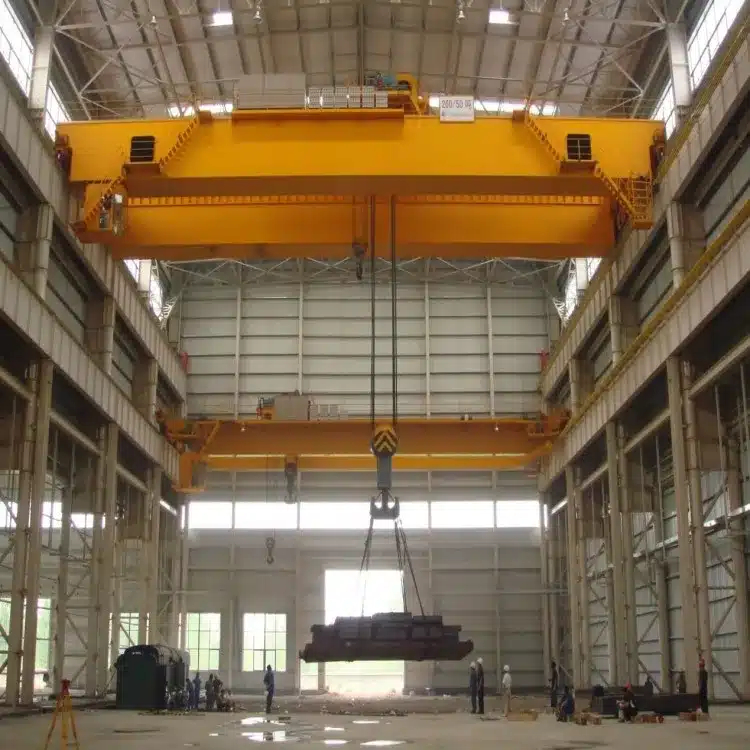
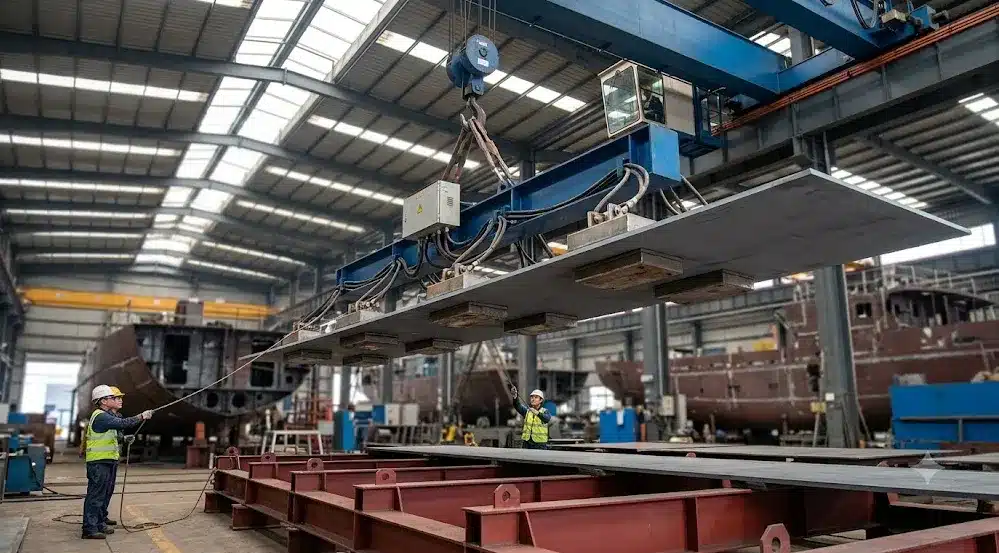
The metallurgical workshop has high temperature, dust, and strong thermal radiation. Metallurgical cranes carry steel ladles, iron ladles, and hot steel billets for a long time, which are high-risk special lifting equipment. Compared with ordinary workshop traffic, metallurgical crane operations have large loads and high ambient temperatures. Once overload, slip hook, collision, or ladle overturns, it can easily cause major burns, explosions, and molten metal leakage accidents, with extremely serious consequences. Relying solely on manual operation and regular inspections by drivers, it is difficult to control risks throughout the process.
Metallurgical crane monitoring system, Also often referred to as
Metallurgical crane monitoring system, Metallurgical crane safety monitoring system, is a complete set of safety monitoring platform specially customized for the harsh working conditions of metallurgical cranes. Relying on high-temperature-resistant sensing equipment, the operation data of lifting equipment is continuously collected 24 hours a day, and the hoisting monitoring and monitoring measures are implemented to meet the hoisting monitoring and monitoring specifications and metallurgical hoisting technical standards. When selecting models for technical reform, enterprises often search for metallurgical spreaders, safety specifications for metallurgical cranes, the biggest difference between metallurgical cranes and ordinary cranes, metallurgical crane models, etc. Combined with the search requirements, this article comprehensively explains the system functions, compliance standards, equipment differences, and transformation landing plans, and provides a reference for the intelligent upgrading of lifting equipment in metallurgical plants.
1. The biggest difference between metallurgical cranes and ordinary cranes
Many factories are prone to confusing the two types of cranes during equipment transformation, which is also a prerequisite for the selection of metallurgical crane monitoring system.
- Differences in operating conditions
Metallurgical cranes are close to high-temperature molten metal for a long time and continue to withstand thermal radiation; ordinary vehicles are only used for lifting workpieces at room temperature, and there is no requirement for high temperature protection.
- Different structural safety levels
The safety level of the metallurgical crane is higher, and the braking, wire rope, and electronic control components are designed to be heat-insulating and anti-high-temperature failure; ordinary crane standards cannot meet the high-temperature metallurgical scene.
- Different levels of stringent safety control requirements
According to regulations, metallurgical lifting of molten metal is a first-class high-risk lifting operation, and it is mandatory to support a complete metallurgical crane safety monitoring system; the supervision requirements for ordinary normal temperature driving are relatively loose.
- Accessories selection distinction
All supporting metallurgical spreaders are made of special materials with high temperature resistance; ordinary spreaders that come into contact with high-temperature workpieces are prone to strength loss, cracking and failure, and mixing is strictly prohibited.
The working conditions and specifications of the two are very different.,Ordinary crane monitoring system cannot be directly applied to metallurgical cranes, A special metallurgical crane monitoring system with high temperature resistance and thermal radiation protection must be selected.
2. The core monitoring functions of the metallurgical hoisting monitoring system (hoisting monitoring and monitoring measures)
The complete set of metallurgical crane safety monitoring system is designed around the risk of molten metal hoisting, and standardized hoisting monitoring and monitoring measures are implemented. The core monitoring items include:
- Load and overload monitoring
Real-time monitoring of the lifting weight of ladles and ladles, identification of overload and partial load, sound and light warning near the rated load, overload status restricts lifting action, and prevents overloading and hoisting.
- Anti-slip hook monitoring of lifting mechanism
Collect brake status, motor speed, and reel operation signals, monitor the risk of slip hook and stall in real time, and immediately alarm if there is an abnormal descent, and linkage emergency braking if necessary.
- Stroke and anti-collision monitoring
Monitor the operating position of the lifting upper limit, lower limit, cart and trolley; when multiple metallurgical cranes are operating on the same track, they are equipped with anti-collision monitoring modules to prevent the vehicles from colliding with each other.
- Wire rope condition monitoring
It can be equipped with an on-line detection module for high-temperature-resistant steel wire ropes to continuously monitor wire breakage, wear, and corrosion damage of steel wire ropes, and timely warn of the risk of steel wire rope fracture.
- Equipment temperature monitoring
Measure the temperature of key components such as motors, brakes, and electric control cabinets to avoid overheating and burning of electrical components in high temperature environments.
- Video visual monitoring
High-temperature resistant cameras are set up in the cab and ladle lifting point areas to record the whole process of lifting throughout the process, which is convenient for accident traceability and daily operation supervision.
- Full record of operating data
Load, alarm, and operation records are automatically stored, and the data retention time meets the requirements of the specification, and reports can be exported at any time to respond to special inspections and safety supervision inspections.
3. Metallurgical crane technical standards, metallurgical crane safety specifications and hoisting monitoring and monitoring specifications
The installation of metallurgical lifting monitoring system must strictly follow the current relevant regulations and standards for metallurgical lifting equipment. The core compliance requirements are as follows:
- Metallurgical cranes must meet the technical standards of special equipment for molten metal lifting, the hardware of the monitoring device has the ability to heat insulation, dustproof, and high temperature resistance protection, and the sensors and cables are resistant to the high temperature radiation environment of the workshop.
- Hoisting monitoring and monitoring specifications clearly require: the safety monitoring system of metallurgical cranes must have overload protection, travel limit monitoring, operating status collection, event storage, and video recording functions. Alarm information cannot be deleted manually to ensure the authenticity of the data.
- The key points of the annual inspection and verification by the special inspection agency: whether the monitoring system can operate stably and continuously, whether the early warning logic is reliable, and whether the historical records are complete and effective. Simple non-standard monitoring equipment often has signal drift under high temperature conditions and cannot pass regular inspections.
- Operation and maintenance specifications: regularly clean and calibrate the sensors of the metallurgical crane monitoring system to avoid dust and high temperature affecting the monitoring accuracy; synchronously and regularly inspect key components such as metallurgical spreaders and braking systems.
4, the applicable models of metallurgical crane monitoring system
Mainstream metallurgical crane models in the market can be adapted to install monitoring systems, covering all kinds of metallurgical scene equipment:
- Double-girder metallurgical bridge crane (steel ladle, iron ladle lifting)
- Casting crane, feeding metallurgical crane
- Metallurgical transportation of slabs and steel billets for transfer of slabs and steel billets
Both old and new equipment can be retrofitted, and the newly built metallurgical cranes can be directly pre-installed with the metallurgical crane monitoring system from the factory; the old metallurgical cranes do not need to change the original structure on a large scale, and passive contacts are used to access the electronic control, and the construction cycle is short.
5. The comprehensive value of deploying metallurgical crane monitoring system
From the level of safe production, molten metal hoisting is a high-risk process. Once the ladle falls or overturns, it will cause a catastrophic accident. The metallurgical crane monitoring system monitors in real time around the clock, captures hidden dangers such as overload, slip hook, and wire rope damage in advance, and forms a dual protective barrier between man and machine to avoid vicious safety accidents to the maximum extent possible.
From the level of compliance management, the national special equipment regulations clearly put forward mandatory requirements for the monitoring of metallurgical cranes. Equipped with a fully compliant metallurgical crane safety monitoring system, it successfully passed the regular inspection of special equipment and the safety supervision of the emergency management department to avoid shutdown, rectification and administrative penalties.
From the equipment operation and maintenance level, the system continuously records the operating conditions of the equipment to help managers grasp the load laws of the equipment, rationally arrange maintenance plans, and replace aging metallurgical spreaders, wire ropes, and brake components in a timely manner. Extend the service life of the metallurgical crane and reduce sudden failures and shutdowns.
From the production management level, complete operation data and video records, standardize the driver's operation behavior, and eliminate cable-stayed crooked hoisting and savage operation; abnormal incidents can be quickly traced back to the source, clarify responsibilities, and improve the workshop safety production management system.
6. Summary
Metallurgical crane monitoring system (metallurgical crane safety monitoring system) is an intelligent safety facility necessary for the lifting of molten metal in metallurgical workshops. Before selecting the type, distinguish the biggest difference between metallurgical cranes and ordinary cranes, and configure them strictly in accordance with metallurgical crane technical standards, metallurgical crane safety specifications, and hoisting monitoring and monitoring specifications, and implement perfect hoisting monitoring and monitoring measures.
Whether it is a new casting crane equipment or the technical transformation of an old metallurgical crane, a special metallurgical crane monitoring system with high temperature resistance and adaptability to high temperature and dust conditions should be selected, and it should be used with regular metallurgical spreader testing and equipment maintenance work. The hardware monitoring system is combined with standardized on-site management to strengthen the safety line of metallurgical lifting operations in all directions to ensure the stable and safe production of steel mills and foundries.