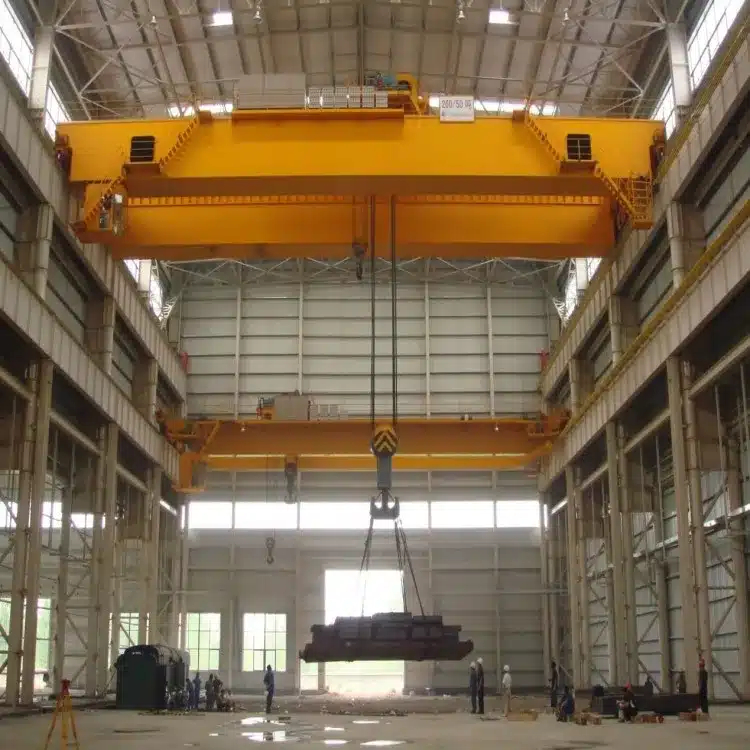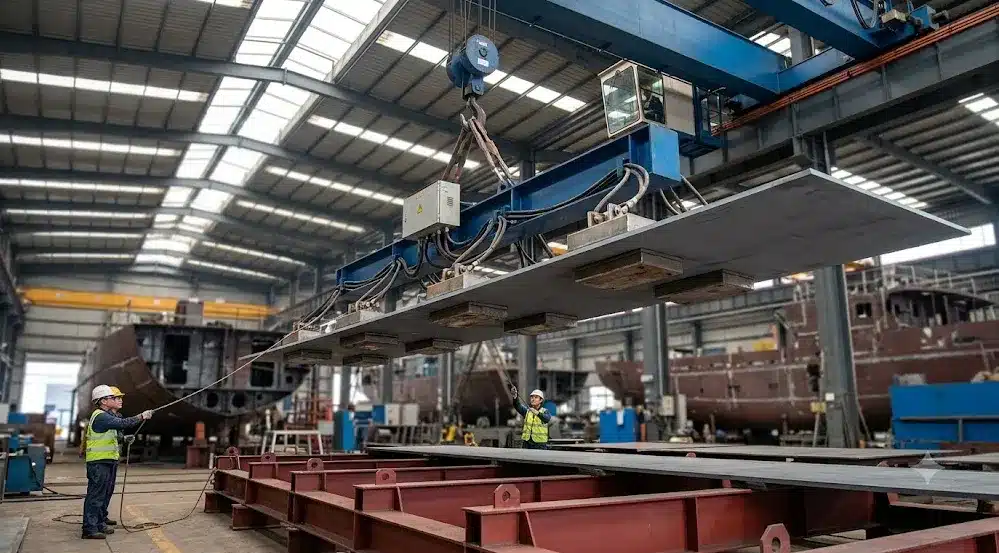


In ports, metallurgy, mines, and large-scale infrastructure construction sites, a large number of bridge, gantry, and gantry cranes operate at high loads for a long time. The traditional model relies on manual inspections and paper-based ledgers to record the status of equipment. Failure detection lags behind, and maintenance plans are arranged empirically. Equipment overload and illegal operations cannot be warned in time, which can easily lead to safety accidents. At the same time, the loss of equipment spare parts and downtime are difficult to control. The crane intelligent monitoring operation and maintenance platform targets the pain points of the whole life cycle management of lifting equipment, integrates sensor acquisition, Internet of Things transmission, and big data analysis technologies, and integrates equipment operation monitoring, safety early warning, maintenance management, file ledger, and remote supervision to realize the lifting equipment from ”post-mortem maintenance". Shift to ”predictive operation and maintenance".
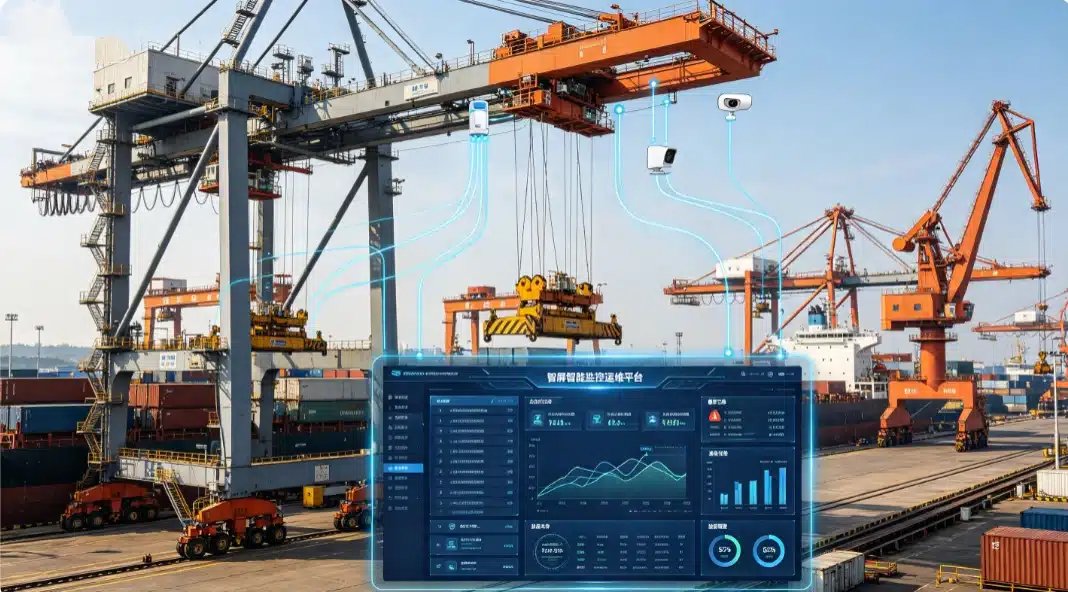
The platform needs to be equipped with front-end hardware equipment to complete data collection, which is suitable for most crane types in use, can be matched with new equipment, and also supports the technical transformation and installation of old cranes.
The platform's web terminal and mobile APP simultaneously display the status of multiple crane clusters, and the equipment list visually displays the online and offline status, real-time load, working range, and operating location of each equipment. Real-time pop-up window reminders for overruns and illegal operations, support large-screen centralized display of multiple devices, and are suitable for centralized supervision and dispatching of factories and ports. All operating data are kept intact to meet the requirements of regulatory traceability of special equipment.
A hierarchical alarm mechanism distinguishes between early warning, general alarm, and emergency alarm. When abnormalities such as overload, excessive amplitude, abnormal limit, excessive wind speed, brake failure, motor overheating, etc. occur, the platform will notify management personnel through pop-up windows, message push, and SMS through multiple channels. The alarm records are automatically archived, and the alarm time, on-site data, and associated videos can be queried to facilitate the recovery of accidents and prevent the recurrence of similar problems.
Through long-term accumulated equipment operation data, the platform analyzes the trend of component loss and automatically generates maintenance reminders. It is different from traditional fixed-cycle maintenance, and maintenance tasks are pushed according to the actual operating time, load frequency, and fault characteristics of the equipment. Managers issue maintenance work orders on the platform, maintenance personnel receive tasks on the mobile terminal, upload maintenance photos, fill in maintenance records, and manage work orders in a closed loop. The system counts the frequency of failures, predicts the replacement cycle of vulnerable parts such as wire ropes, brakes, and reducers in advance, and reduces sudden downtime and unplanned downtime losses.
Each crane establishes an independent electronic file, entering basic equipment parameters, factory information, inspection reports, annual inspection records, technical reform records, and spare parts replacement records. All inspection, maintenance, and alarm records are all related and archived, so as to say goodbye to the problem of loss and confusion of paper data. Automatic reminders of the expiration of the annual inspection of special equipment to help companies complete inspection reports in compliance and meet the inspection requirements of market regulatory authorities.
Automatically generate multi-dimensional reports: equipment operation statistics, fault statistics, maintenance completion rate, equipment utilization rate, and illegal operation statistics. Excel reports can be exported to facilitate enterprises to do safety assessments and equipment cost accounting, provide data support to management, and optimize equipment scheduling and asset management.
Support multi-account hierarchical permissions, and equipment operators, maintenance personnel, enterprise administrators, and supervisors are assigned different operating permissions. It supports remote viewing of equipment historical curves and playback of operation videos during the alarm period, so that the overall operation of the crane in the factory can be mastered in different places.
It is widely used in metallurgical casting cranes, port gantry cranes, gantry cranes, bridge cranes, construction tower cranes, and large-scale shipbuilding cranes. It is suitable for heavy industry factories, ports, docks, mining yards, infrastructure projects, centralized control of multiple lifting equipment in enterprises, and can also be used for cluster supervision by parks and government special equipment supervision departments.
The platform is divided into two modes: public cloud SaaS version and local privatization deployment. Small and medium-sized enterprises give priority to the SaaS cloud platform, and the account can be opened after the hardware installation is completed, and the online speed is fast; large groups and ports are involved in secret scenarios, supporting the privatization and deployment of local servers, and all data is stored locally. It can be connected to the existing ERP and MES systems of the enterprise to achieve data exchange.
Related reading:
Next Article:Crane Remote information Platform|Lifting Machinery Cloud Remote Monitoring and Intelligent Operation and maintenance Management System »
24-Hour Service Hotline: 0717-6922999 WeChat: 13972023522 Email: technical@wtauserver.com Address: No.6 Gangcheng Road, Yichang Area, China (Hubei) Pilot Free Trade Zone
Copyright © 2026 Wtau Technology Co., Ltd. All Rights Reserved. ICP License No.: E ICP 12004023-1