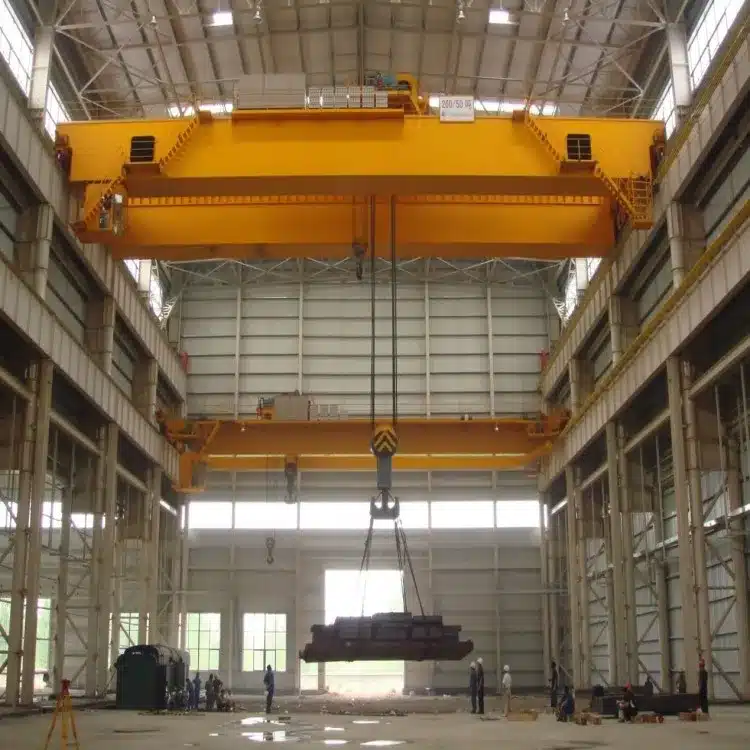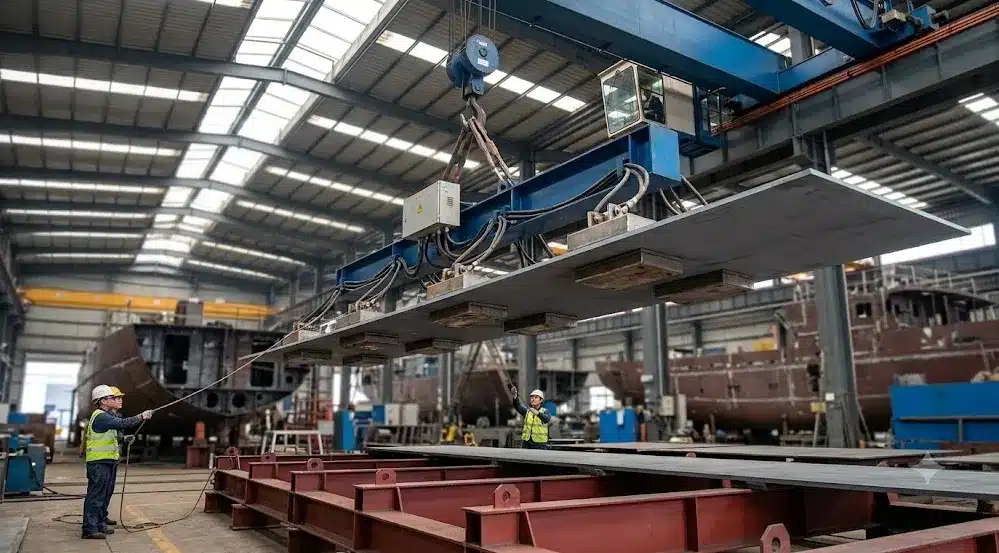


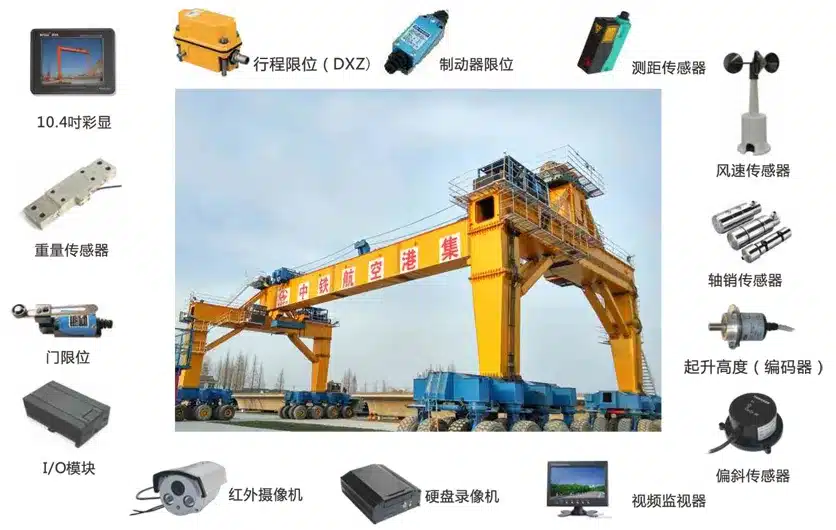
The bridge-building machine is an important construction equipment used for prefabricated beam frame, beam transportation and bridge installation in the process of bridge construction. It is widely used in highway, railway bridge, municipal bridge and large-scale bridge projects. Since bridge-building machines usually have the characteristics of complex equipment structure, large operating load, changeable construction conditions, and coordinated operation of multiple institutions, their operating status and operating process are directly related to construction safety and project progress.
In the process of bridge-building construction, the bridge-building machine needs to complete the operations of lifting, longitudinal movement, lateral adjustment, leg conversion and beam positioning. During the operation of the equipment, it may face risks caused by environmental factors such as load changes, abnormal force on the outriggers, uncoordinated mechanism movements, deviation of the operating position, and high winds. If you only rely on manual observation and regular inspections, it will be difficult to grasp the real-time status of each institution of the equipment in a timely manner, and it will not be conducive to risk early warning and post-mortem traceability in the construction process.
Therefore, the constructionBridge-building machine monitoring system, Through sensor data collection, equipment condition monitoring, abnormal alarm, video monitoring and operation data management and other technical means, the key mechanism of the bridge-building mechanism and the construction process are comprehensively monitored, which can provide construction personnel and equipment management personnel with more intuitive and timely equipment operation information.
Micro-special bridge-building machine monitoring systemFocusing on the equipment safety and operation management needs of bridge-building construction, it can be combined with the structure, control system and construction conditions of the bridge-building machine to configure functions such as load monitoring, operating condition monitoring, safety protection, institutional collaborative monitoring and data management to help construction units strengthen equipment operation management and improve the digital level of construction safety monitoring..
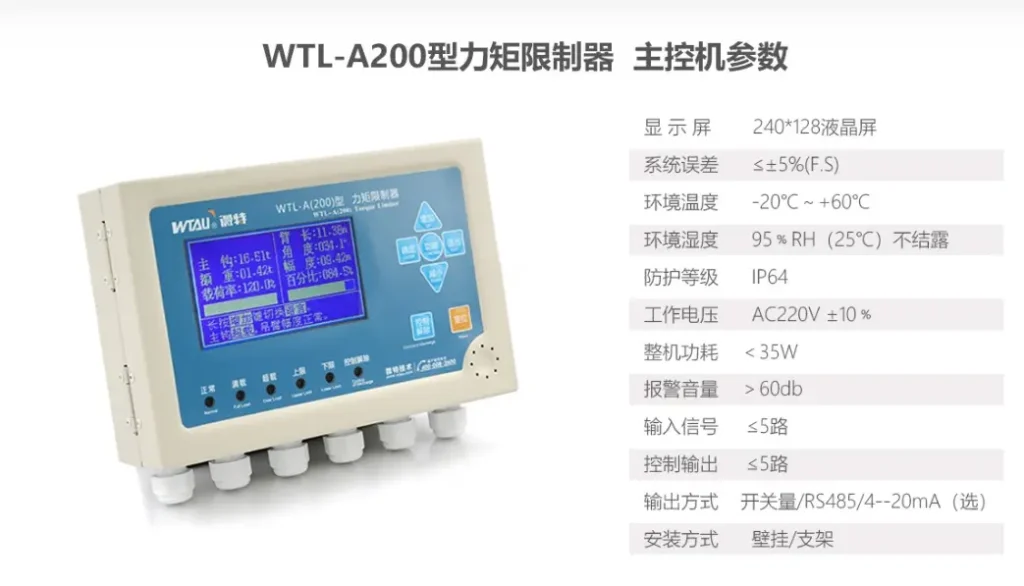
Lifting weight is an important monitoring parameter for the safe operation of bridge-building machines. During the hoisting, transportation and erection of prefabricated beams, the load on the equipment will change with the operating stage, beam weight and hoisting state. If the actual load exceeds the allowable range of the equipment, it may adversely affect the main beam, lifting mechanism and support structure.
According to the equipment configuration, the monitoring system of the bridge-building machine can monitor the lifting weight in real time through the load sensor and the corresponding data acquisition device, and transmit relevant data to the monitoring terminal.
When the monitoring value reaches the set early warning or alarm conditions, the system can issue a sound and light alarm to remind the operator to pay attention to the current load status. According to the configuration of the equipment control system and safety protection scheme, corresponding interlock or restriction functions can also be realized.
Through lifting weight monitoring and overload early warning, construction personnel can grasp the changes in hoisting load in a timely manner, and provide technical support for standardizing hoisting operations and reducing the risk of overload.
The lifting mechanism is responsible for completing the lifting, lowering and height adjustment of the beam body, and is the key actuator in the construction process of the bridge-building machine. The lifting process involves multiple components such as motors, deceleration mechanisms, braking devices, wire ropes and spreaders, and its operating state directly affects the stability of the hoisting operation.
The monitoring system of the bridge-building machine can monitor the operating status, related positional parameters and key operating signals of the lifting mechanism according to the on-site configuration to help managers understand whether the equipment is in normal working condition.
When the lifting position, operating status or related monitoring parameters are abnormal, the system can provide prompts or alarm information according to the set rules to facilitate timely verification by operators.
Through centralized monitoring of the operation information of the lifting mechanism, the equipment status management in the lifting process can be strengthened, and it can provide a reference for troubleshooting and daily maintenance of the lifting mechanism.
In the process of bridge construction, the bridge-building machine needs to move vertically, adjust horizontally and change the position of related mechanisms according to the erection process. If the operating position of the equipment exceeds a predetermined range, or the position deviation occurs during the movement, it may affect the construction accuracy and equipment operation safety.
The monitoring system of the bridge-building machine can be combined with the equipment structure and control scheme to monitor the position, stroke and operating status of the cart, trolley or other moving mechanism.
By collecting related signals such as position sensors, encoders, or limit devices, the system can transmit mechanism operation information to the monitoring terminal to assist operators in mastering the current position and movement status of the equipment.
For systems with corresponding limits and safety protection functions, they can also issue an early warning when the mechanism approaches the set travel boundary, or perform corresponding protection actions in accordance with the control scheme.
Position and stroke monitoring helps to strengthen the safety management of the bridge-building machine during movement, and reduces the construction risks caused by stroke overruns or inaccurate position judgments.
When the bridge-building machine erects the beam body and moves the equipment, the outriggers play an important supporting role. The status of the outriggers, support conditions and the working conditions of related mechanisms will affect the overall stability of the equipment.
In the construction links of bridge-building machine vias, outrigger conversion, beam erection, etc., the support state and force conditions of the equipment may change, and it needs to be strictly controlled according to the construction plan.
The monitoring system of the bridge-building machine can monitor the position of the outrigger, the telescopic state, the relevant pressure signal or other parameters that can reflect the support state according to the equipment structure and monitoring needs.
When the monitoring data is abnormal, or the relevant status does not meet the preset conditions, the system can provide an alarm or status prompt to help on-site personnel check the status of the equipment in a timely manner.
By monitoring the relevant parameters of the outriggers and support, it can provide data support for the safety management of the key construction stages of the bridge-building mechanism. The specific monitoring scope should be determined in combination with the equipment structure, sensor configuration and construction technology.
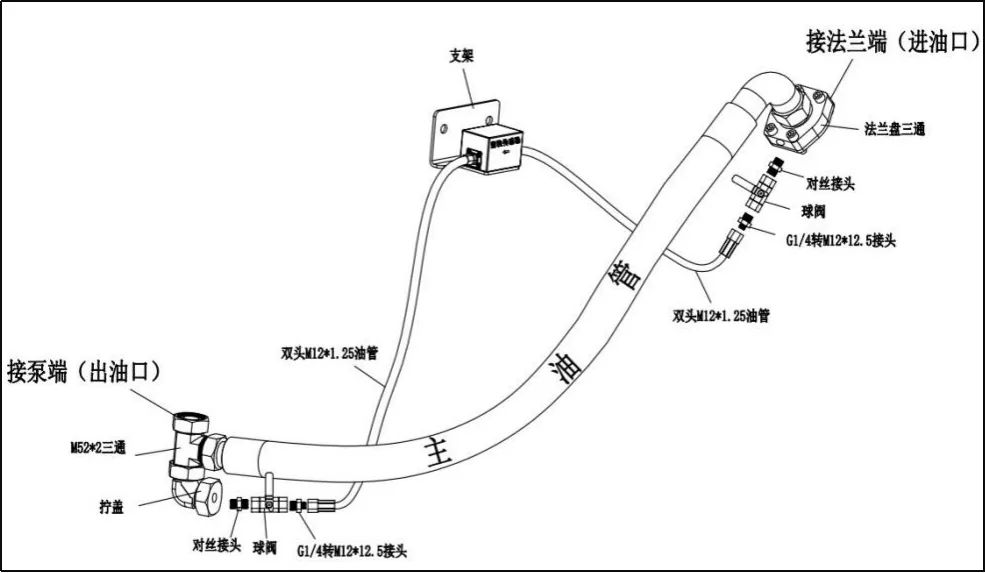
Some bridge-building machines use hydraulic systems to drive outriggers, jacking mechanisms or other actuators. The pressure and working state of the hydraulic system will affect the stability of the mechanism's action, which is also the content that needs attention in the daily maintenance of the equipment.
The monitoring system of the bridge-building machine can monitor the pressure, operating status or other applicable parameters of the relevant circuit according to the actual configuration of the hydraulic system.
Through continuous collection of relevant data, managers can understand the state changes in the working process of hydraulic mechanisms. When the monitoring parameters exceed the set range, the system can provide abnormal prompts to assist in the inspection of hydraulic circuits, actuators and related components.
Hydraulic system condition monitoring can help operation and maintenance personnel find problems that need attention in a more timely manner, and provide a basis for equipment inspection, troubleshooting and maintenance arrangements.
The construction of bridge-building machines usually involves multiple mechanisms such as lifting, traverse, longitudinal movement, and outrigger action. Different construction stages have corresponding requirements for the sequence of actions and collaborative status of the mechanism, and the operation process needs to comply with the equipment instruction manual and construction plan.
The monitoring system of the bridge-building machine can be combined with equipment control signals and on-site process requirements to collect and display the operating status of relevant institutions, and assist management personnel to understand the operating conditions of each institution.
For systems with corresponding control logic and safety interlock configuration, alarm prompts or interlock control of actions that do not meet the requirements can be carried out according to preset conditions to reduce the risks caused by incorrect operations and improper actions.
Through multi-agency condition monitoring, construction units can more intuitively grasp the operation process of the equipment and provide support for standardized operation and construction process management.
Bridge-building machines often operate on bridge construction sites. Some construction areas are in elevated, cross-river or open areas. Wind changes may affect equipment operation, beam hoisting and construction safety.
The monitoring system of the bridge-building machine can be configured with a wind speed monitoring device according to on-site requirements, collect wind speed data in the operating area in real time, and display relevant information in the monitoring terminal.
When the wind speed reaches the set early warning conditions, the system can issue a reminder to remind on-site personnel to take appropriate measures in accordance with the equipment instruction manual, special construction plan and related safety regulations.
It should be noted that there may be differences in the wind speed limits applicable to different types of bridge-building machines, different hoisting conditions, and different construction stages. The specific thresholds should be set according to equipment technical documents and on-site safety management requirements, and unified values cannot be used instead of specific equipment requirements.
Through wind speed monitoring, construction units can pay attention to environmental changes in a timely manner, and provide an auxiliary basis for construction risk management under windy conditions.
The construction site of a bridge-building machine usually involves equipment operators, ground command personnel, auxiliary operators and multiple construction areas. Relying only on the operating parameters of the equipment, it is impossible to fully reflect the activities of on-site personnel and the construction environment.
According to the layout of the site, the monitoring system of the bridge-building machine can deploy video surveillance equipment in the cab, key institutions, beam hoisting areas or other key locations to view the construction site in real time.
Managers can understand the on-site operation situation through the monitoring terminal, and combine the equipment operation data to assist in the analysis of abnormal events.
For example, when the operating parameters of the equipment are abnormal, it can be combined with the video recording of the corresponding time to verify the operating environment and related operating conditions at that time, and provide more information for troubleshooting.
The combination of video surveillance and equipment data monitoring helps to improve the visual management level of the bridge construction site, and provides support for the review of the construction process and the traceability of abnormal events.
The bridge-building machine contains multiple mechanical, electrical, and hydraulic systems. Equipment abnormalities may involve sensor signals, mechanism operation, braking status, load changes, and control systems.
The monitoring system of the bridge-building machine can identify and prompt related abnormal conditions based on the connected monitoring signals, equipment control status and preset alarm rules.
When the system detects that the load exceeds the limit, the stroke is abnormal, the status of the relevant mechanism is abnormal, or other conditions that meet the alarm conditions, the corresponding information can be displayed in the monitoring terminal, and the on-site personnel can be reminded through the configured sound and light alarms.
For different types of alarms, the system can be classified, displayed and recorded according to the actual functional configuration to help managers understand the time when the abnormality occurred, related equipment and related monitoring parameters.
Through centralized management of alarm information, operation and maintenance personnel can carry out on-site inspections in a more targeted manner, reducing the possibility of missing important abnormal information. For equipment failures that require further judgment, the cause should still be confirmed in combination with on-site inspection and professional diagnosis.
The construction process of the bridge-building machine includes equipment operation, hoisting operations, mechanism movement, leg conversion and equipment maintenance. Complete operating data helps to grasp the usage of equipment, and can also provide a basis for troubleshooting and management improvement.
The monitoring system of the bridge-building machine can save the operating parameters, alarm information, related status changes and operation records of the equipment according to the configuration, and provide historical data query functions.
After an abnormal situation occurs, management personnel can view the monitoring information of the relevant time period through historical records, and analyze it in combination with maintenance records, on-site videos, and construction logs.
In terms of equipment maintenance, the continuously accumulated operating data also helps to identify frequently abnormal components and working conditions, and provides a reference for follow-up inspections, maintenance plan optimization, and equipment management.
It should be noted that the retention period, record content and query method of historical data should be subject to the actual configuration of the system.
For enterprises with multiple bridge-building machines or multiple construction projects, the distribution of equipment is relatively dispersed, and management personnel may need to frequently go to the site to understand the status of the equipment, which increases the daily management cost.
The bridge-building machine monitoring system can transmit on-site monitoring data to a remote monitoring terminal or management platform according to the project network conditions and system architecture to realize remote viewing of equipment status.
With the corresponding platform functions, managers can centrally view the operating status, alarm information and historical data of the equipment to assist in equipment management, abnormal tracking and maintenance coordination.
Remote monitoring does not mean that the equipment can be controlled independently from on-site safety management. The functions involving equipment start-stop, interlocking and safety protection shall be implemented in accordance with the control system design, rights management and construction site safety requirements.
Through remote monitoring and centralized management, the management efficiency of multiple equipment and projects can be improved, and it can provide support for construction units to establish a unified equipment management system.
On the basis of a variety of monitoring functions, the bridge-building machine monitoring system can integrate equipment data through a unified software platform to form a monitoring and management system that integrates status display, alarm management, historical query, and operation and maintenance support.
The platform can centrally display the following information according to the actual needs of the project:
Through a unified monitoring platform, construction units can reduce the dispersion of equipment information and the difficulty of manual summary, so that equipment management personnel can more easily grasp the operation of the bridge-building machine.
For enterprises that require cross-project management, a centralized multi-device monitoring model can also be built according to network conditions, platform architecture and authority requirements to improve the standardization and digitization of equipment management.
By monitoring the lifting weight, mechanism stroke, outrigger status and other key parameters, it assists construction personnel to grasp the status of the equipment in a timely manner and pay attention to potential safety risks.
Use real-time data display and abnormal alarm functions to help on-site personnel find problems that need to be verified faster, and provide information support for timely measures.
For important construction links such as beam hoisting, equipment movement, and leg conversion, the status and operating parameters of relevant institutions are monitored to assist in standardizing construction operations.
Through the automatic collection of monitoring data, the centralized display of alarm information, and the query of historical records, some manual transcription, data aggregation, and repeated inspections are reduced, and management efficiency is improved.
By accumulating equipment operation data and abnormal records, it helps operation and maintenance personnel analyze changes in equipment status, and provides reference for troubleshooting, maintenance arrangements, and follow-up maintenance plans.
Through the combination of on-site monitoring, alarm management, data recording and remote viewing, a more systematic bridge-building equipment management mode is gradually established.
It should be emphasized that the monitoring system mainly provides technical support for the safe operation of equipment and construction management, and cannot replace the safety protection devices, statutory inspections, daily inspections and on-site safety management measures stipulated by the equipment.
When choosing a bridge-building machine monitoring system, the construction unit should combine the type of equipment, structure, construction technology and project management requirements, focusing on the following aspects.
First, whether the monitoring function matches the actual working conditions. There are differences in the driving mode, outrigger structure, lifting mechanism and control system of different bridge-building machines, and the monitoring items that need to be configured should be determined according to the on-site risks.
Second, whether the device data can be uniformly accessed. It should be understood whether the system can centrally display the load, location, stroke, mechanism status, and alarm information to reduce the management difficulties caused by the dispersion of information.
Third, whether the alarm and safety protection mechanism are clear. The alarm conditions, interlocking logic, protection actions and fault handling methods of the system should be confirmed, and the monitoring prompts should be distinguished from the actual safety protection functions.
Fourth, whether it has the necessary data recording capabilities. Historical operation data, alarm records and related event information are helpful for subsequent fault analysis and maintenance management. When selecting types, attention should be paid to the data preservation and query functions.
Fifth, whether to adapt to the construction site environment. The equipment needs to adapt to factors such as on-site vibration, dust, temperature changes, and network conditions, and fully consider the convenience of sensor installation, circuit layout, and subsequent maintenance.
Sixth, whether it is convenient for later maintenance and function expansion. For projects with a long construction cycle or a large number of equipment, the feasibility of system maintenance, data management, and subsequent functional expansion should be considered.
Through comprehensive evaluation of monitoring functions, system integration, safety protection and on-site applicability, construction units can choose a bridge-building machine monitoring system that is more in line with actual needs to provide support for the safe operation of equipment and construction management.
The bridge-building machine is an important equipment in bridge construction, and its operating status, load changes, mechanism actions and on-site construction environment are all closely related to construction safety. With the development of bridge engineering equipment management in the direction of digitization, the monitoring system of bridge-building machinery is becoming an important technical means to strengthen the safety management of construction equipment.
The monitoring system of the micro-special bridge-building machine can be built around the actual needs of the construction site through functions such as lifting weight monitoring, lifting mechanism monitoring, operating position and stroke monitoring, outrigger condition monitoring, hydraulic system monitoring, multi-agency collaborative monitoring, wind speed monitoring, video monitoring, fault alarm, and operation data recording.A solution that combines equipment condition monitoring and construction management.
By integrating equipment operation data, abnormal alarms, and historical records into a unified management platform, construction units can grasp the operating status of the bridge-building machine in a more timely manner, assist in identifying construction risks, improve equipment management efficiency, and provide a basis for troubleshooting and maintenance decisions.
For highway, railway and other bridge construction projects, choosing a bridge-building machine monitoring system suitable for equipment structure and construction conditions will help improve the safety management system of construction equipment and provide technical support for the safe and orderly development of bridge construction.
Next Article:
24-Hour Service Hotline: 0717-6922999 WeChat: 13972023522 Email: technical@wtauserver.com Address: No.6 Gangcheng Road, Yichang Area, China (Hubei) Pilot Free Trade Zone
Copyright © 2026 Wtau Technology Co., Ltd. All Rights Reserved. ICP License No.: E ICP 12004023-1